
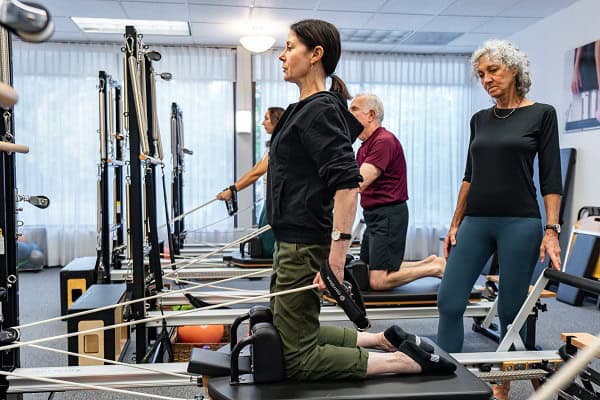
Many people notice small changes in their balance as they get older.
You might feel slightly less steady when walking on uneven ground, stepping off a curb, or turning quickly. Sometimes these changes appear gradually and can be easy to dismiss.
But balance is not a single ability. It is the result of several systems working together throughout the body.
When those systems become less responsive, stability can begin to change. Understanding why this happens can help explain why thoughtful movement practice becomes increasingly valuable over time.
Balance Is a Skill the Body Maintains
Balance depends on constant communication between several systems in the body.
These include:
• the visual system (what we see)
• the vestibular system in the inner ear (which helps detect motion and orientation)
• the somatosensory system (feedback from muscles and joints)
• the musculoskeletal system (strength and coordination)
Together, these systems allow the body to quickly sense when balance is shifting and respond before a fall occurs. For example, when you step on an uneven surface or trip over an obstacle, your body must react almost instantly. Small muscles around the ankles, hips, and spine activate while the nervous system coordinates the response. Most of this happens automatically.
Why Balance Can Change Over Time
As we age, several factors can influence how effectively the body responds to changes in balance.
Some of the most common include:
• reduced strength in key stabilizing muscles
• changes in ankle mobility and foot strength
• slower reflexes
• decreased sensory awareness from joints and muscles
• reduced coordination between vision, the inner ear, and movement
None of these changes happen overnight. They tend to develop gradually, which is why many people first notice them during everyday activities like turning, stepping quickly, or walking on uneven ground. For many people, improving balance begins with improving how the body moves as a whole.
Strength and Balance Are Closely Connected
One important factor in balance is strength.
Research has shown that the muscles around the hips — particularly the gluteal muscles — play a significant role in stabilizing the body during walking and standing.
The feet and ankles are equally important. Small adjustments in the ankle help the body correct tiny shifts in balance before they become larger problems. When these systems become weaker or less responsive, it can take longer for the body to react when balance is challenged.
Movement programs that focus on coordination, strength, and control can help restore some of that responsiveness. This is one of the reasons many people explore Pilates as part of their long-term approach to staying active and capable.
Confidence in Movement Matters
An interesting finding in fall prevention research is that fear of falling can actually increase the risk of falling. When people feel uncertain about their balance, they may begin to restrict their movement or avoid certain activities.
Over time, this can lead to reduced strength and mobility, which can make balance even more difficult. Maintaining confidence in movement is therefore an important part of staying active and independent.
How Pilates Can Help Support Balance
Pilates can be helpful because it trains several of the body systems involved in stability. Pilates exercises often develop:
• hip and core strength
• ankle and foot stability
• coordination between the upper and lower body
• body awareness and control
Many exercises also challenge balance in subtle ways, allowing the body to practice responding to small changes in stability. For individuals who want more personalized guidance, beginning with 1:1 Pilates sessions at Pacific Northwest Pilates allows instructors to tailor exercises to each person’s strength, mobility, and movement history.
Some people also begin with a Therapeutic Pilates consultation, which provides a structured way to evaluate movement patterns and determine the most appropriate starting point. Others prefer to learn the foundations of the equipment in a small group environment through the Quickstart Reformer Pilates Series. Each of these options can help people gradually develop the strength, coordination, and confidence that support better balance.
Staying Active and Capable
Balance is not something that simply disappears with age.
Like strength and mobility, it is a skill that can be maintained and improved through thoughtful movement. Many people find that regular Pilates practice helps them feel more stable and confident in everyday activities like walking, gardening, traveling, or simply moving through daily life. Over time, these small improvements can make a meaningful difference in how capable and independent people feel.
If You’re Curious About Getting Started
If you are interested in improving strength, coordination, and balance, our team would be happy to talk with you about the best place to begin.
You can schedule a complimentary 20-minute conversation with a member of our team to discuss your goals and explore the most appropriate starting point.